Are Dental Crowns the Right Solution for Your Damaged Tooth?
April 15, 2025
Dr. Bilkisu Idakoji
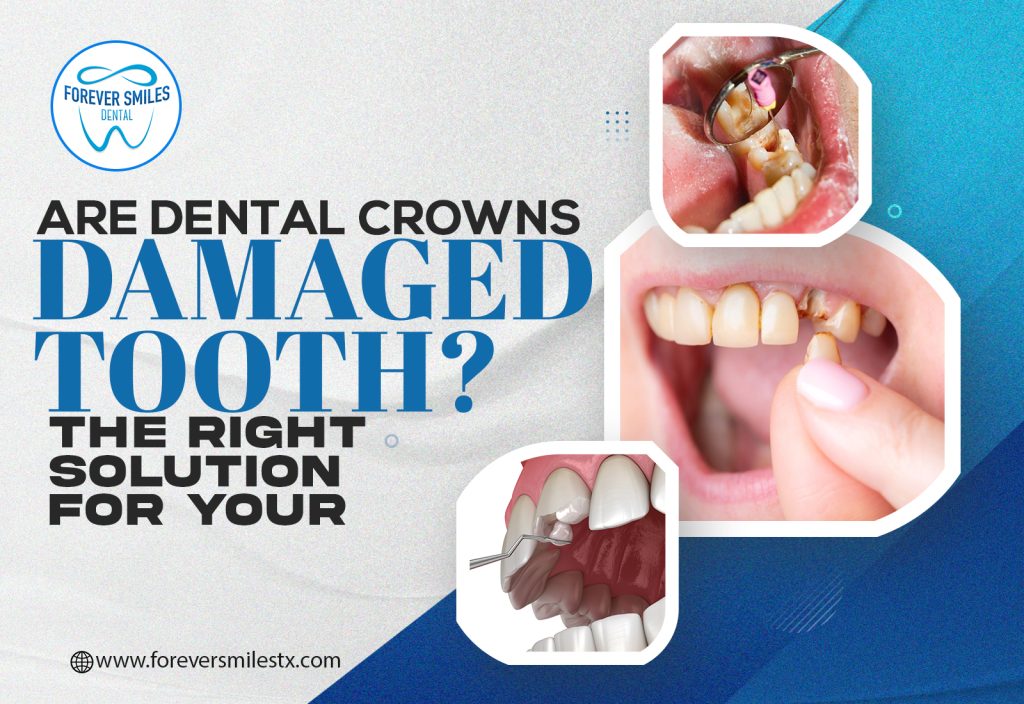
A damaged tooth can cause pain, discomfort, and aesthetic concerns, making it difficult to chew, speak, or smile confidently. Whether due to decay, injury, or wear and tear, a compromised tooth needs immediate attention to prevent further complications. One of the most effective restorative solutions is dental crowns at Houston, which provide strength, protection, and a natural appearance for damaged teeth.
In this blog, we’ll explore what dental crowns are, when they’re needed, their benefits, types, the procedure involved, and alternative treatment options. If you’ve been wondering whether a dental crown is the right choice for you, read on to find out.
What Are Dental Crowns?
A dental crown is a tooth-shaped cap placed over a damaged or weakened tooth to restore its shape, size, strength, and functionality. Crowns cover the entire visible portion of the tooth above the gum line, acting as a protective shield against further damage.
Crowns are commonly used to:
- Strengthen weak or fractured teeth
- Restore teeth after a broken tooth extraction at Houston
- Protect teeth after root canal treatment
- Support large fillings when little tooth structure remains
- Improve the appearance of discolored or misshapen teeth
- Anchor dental bridges in place
Because they are custom-made, dental crowns blend seamlessly with your natural teeth, enhancing both function and aesthetics.
When Do You Need a Dental Crown?
Not every damaged tooth requires a crown. However, your dentist may recommend a crown in the following situations:
1. Tooth Decay Beyond Repair
If a tooth has a large cavity that cannot be restored with a regular filling, a crown may be necessary to prevent further decay and strengthen the tooth.
2. Cracked or Fractured Teeth
A crack in your tooth can worsen over time, leading to pain or even tooth loss. A dental crown can help hold the tooth together and prevent further damage.
3. After a Root Canal
Root canal treatment removes the infected pulp from inside the tooth, leaving it hollow and more fragile. A crown is often placed over the tooth to protect it from future fractures.
4. Worn-Down Teeth
Bruxism (teeth grinding) or acid erosion from acidic foods and beverages can wear down teeth over time. A crown can restore the tooth’s structure and function.
5. Cosmetic Enhancements
Crowns can also be used for cosmetic purposes, such as covering severely discolored or misshapen teeth to improve the smile’s appearance.
6. After a Tooth Extraction
If a tooth is too damaged to be saved and requires a broken tooth extraction at Houston, a dental crown may be placed over an implant to restore function and aesthetics.
Types of Dental Crowns
Several types of crowns are available, each with its own advantages. The most common types include:
1. Porcelain Crowns
- Best for front teeth due to their natural appearance
- Stain-resistant and highly aesthetic
- Can be customized to match the color of natural teeth
2. Porcelain-Fused-to-Metal (PFM) Crowns
- Offers both strength and aesthetics
- More durable than all-porcelain crowns
- Can be used for both front and back teeth
3. Metal Crowns (Gold or Silver Alloys)
- Extremely durable and long-lasting
- Ideal for back molars that endure heavy chewing forces
- Less natural-looking but highly functional
4. Zirconia Crowns
- Stronger than porcelain and resistant to chipping
- Suitable for patients who need extra durability
- Blends well with natural teeth
5. Same-Day CEREC Crowns
- Made in a single visit using computer-aided design (CAD/CAM) technology
- Eliminates the need for temporary crowns
- Provides quick and efficient restoration
The Dental Crown Procedure
The process of getting dental crowns at Houston typically involves two visits to the dentist:
Step 1: Initial Examination and Tooth Preparation
- The dentist examines the tooth and takes X-rays to assess the extent of damage.
- The tooth is reshaped to accommodate the crown by removing a small amount of enamel.
- An impression of the tooth is taken to create a custom-fit crown.
- A temporary crown is placed to protect the tooth until the permanent crown is ready.
Step 2: Placement of the Permanent Crown
- Once the permanent crown is ready (usually within a few weeks), the temporary crown is removed.
- The new crown is carefully fitted, adjusted, and cemented in place.
- The dentist ensures proper bite alignment and makes final refinements.
Same-day crowns, such as CEREC crowns, skip the temporary crown step and are milled in the dental office within hours.
Benefits of Dental Crowns
Opting for dental crowns at Houston offers several advantages:
- Restores Functionality – Crowns allow you to chew and speak properly without discomfort.
- Enhances Aesthetics – Custom-made crowns blend seamlessly with natural teeth, improving your smile.
- Long-Lasting Solution – With proper care, crowns can last 10-15 years or more.
- Prevents Further Damage – Crowns protect weak or damaged teeth from fractures and decay.
- Minimizes Sensitivity – By covering exposed dentin, crowns reduce tooth sensitivity to hot and cold foods.
Alternatives to Dental Crowns
While crowns are a popular restorative option, other treatments may be suitable depending on the condition of your tooth.
1. Dental Fillings
For minor cavities, a filling may be sufficient instead of a crown.
2. Inlays and Onlays
These partial restorations cover only the damaged portion of the tooth, preserving more natural enamel.
3. Dental Veneers
If the main concern is cosmetic, veneers may be an alternative for front teeth.
4. Tooth Extraction and Implants
If a tooth is severely damaged, broken tooth extraction at Houston may be necessary, followed by a dental implant and crown.
Caring for Your Dental Crown
To ensure your crown lasts as long as possible, follow these care tips:
- Practice Good Oral Hygiene – Brush twice a day and floss daily to prevent plaque buildup.
- Avoid Hard and Sticky Foods – These can crack or dislodge the crown.
- Visit the Dentist Regularly – Routine check-ups ensure the crown remains in good condition.
- Wear a Mouthguard – If you grind your teeth at night, a mouthguard can protect the crown.
Conclusion
If you have a damaged tooth, dental crowns at Houston offer a durable and aesthetically pleasing solution. Whether you need a crown to restore function, protect a weakened tooth, or enhance your smile, this versatile treatment can provide long-lasting benefits.
At Forever Smiles Dental, we specialize in high-quality dental crowns tailored to each patient’s needs. If you’re considering a dental crown or have recently undergone a broken tooth extraction at Houston, schedule an appointment with Forever Smiles Dental today to explore your restoration options. Your smile deserves the best care!