The Hidden Damage Caused by Constant Mouth Breathing in Children
June 2, 2026
Dr. Bilkisu Idakoji
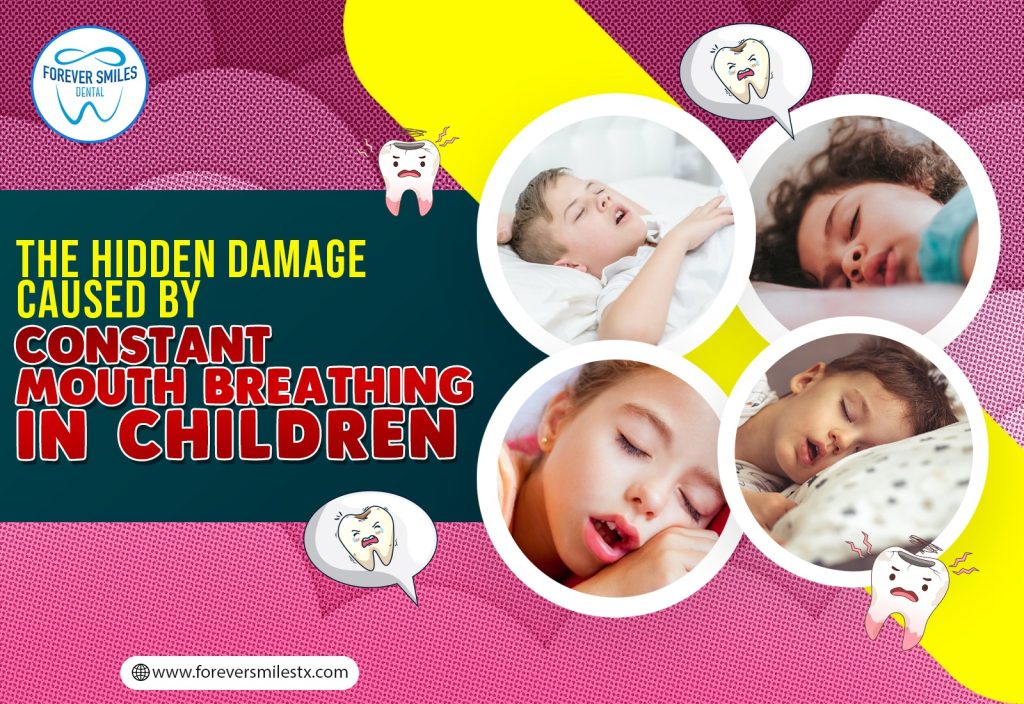
Many parents notice their child sleeping with their mouth open and assume it’s harmless. Others may hear snoring at night, notice dry lips in the morning, or constantly remind their child to “close your mouth while breathing.” Because these habits are so common, mouth breathing is often dismissed as a temporary phase or a simple behavioral habit. But chronic mouth breathing in children can affect far more than breathing alone.
The way a child breathes directly influences how their jaws develop, how their teeth align, how well they sleep, and even how their face grows over time. When the body relies on mouth breathing instead of nasal breathing consistently, it can gradually change the balance of muscles, posture, and oral development during critical growth years. What makes this issue particularly concerning is that the damage develops slowly. Parents may not realize anything is wrong until crowded teeth, poor sleep, frequent cavities, or bite problems begin to appear.
The encouraging part is that early recognition can make a major difference. Understanding the signs and underlying causes of mouth breathing allows families to address the issue before it affects long-term health and development.
What Is Mouth Breathing in Children?
Mouth breathing occurs when a child regularly breathes through the mouth instead of the nose. While occasional mouth breathing is normal during a cold or temporary congestion, chronic mouth breathing is different. It becomes the body’s default breathing pattern even when the child is awake, relaxed, or sleeping.
Under normal circumstances, the nose is designed to handle breathing. Nasal breathing filters dust and allergens, warms and humidifies the air, and helps regulate airflow into the lungs. The tongue also naturally rests against the roof of the mouth during nasal breathing, which supports healthy jaw development. When a child breathes through the mouth consistently, these natural functions change. The tongue drops lower in the mouth, the lips remain open more often, and the muscles of the face and jaw begin adapting to this altered posture.
Some children switch to mouth breathing because of airway blockages or allergies. Others continue the habit even after the original issue improves. Over time, the body adapts to this breathing pattern, making it more difficult to correct later.
The Most Common Causes of Mouth Breathing
Nasal Congestion and Allergies
One of the most common causes of mouth breathing is chronic nasal congestion. Allergies, frequent colds, sinus irritation, and environmental triggers can block the nasal passages, making it harder for children to breathe comfortably through the nose. When the nose feels blocked repeatedly, children naturally begin using their mouth for airflow instead. If this continues long enough, the habit can persist even after congestion improves.
Enlarged Tonsils or Adenoids
Enlarged tonsils and adenoids are another major cause of mouth breathing in children. These tissues are located near the airway and can partially block airflow when swollen.
Children with enlarged adenoids often:
- Sleep with their mouth open
- Snore frequently
- Sound congested even without a cold
- Experience restless sleep
Because these obstructions physically limit airflow, the body compensates by shifting to mouth breathing.
Habitual Mouth Breathing
In some children, mouth breathing becomes habitual. Even if the original airway issue improves, the muscles and breathing patterns may continue functioning the same way out of habit. This is especially common in children who have spent years breathing through their mouth during sleep or periods of congestion.
Deviated Nasal Structure or Airway Issues
Structural issues inside the nose can also reduce airflow. A deviated septum or narrow nasal passages may make nasal breathing difficult enough that the child relies more heavily on mouth breathing.
Sleep Related Breathing Problems
Mouth breathing is closely connected to disrupted sleep. Children who snore heavily or experience interrupted breathing during sleep often develop chronic mouth breathing patterns as the body struggles to maintain airflow throughout the night.
Signs Parents Often Miss
Mouth breathing doesn’t always look dramatic. In many children, the signs are subtle and develop gradually over time.
Dry Lips and Open Mouth Sleeping
Children who breathe through their mouth often wake up with dry lips, cracked corners of the mouth, or a dry throat. Parents may also notice the child sleeping with their mouth open consistently.
Snoring or Noisy Breathing at Night
Frequent snoring, heavy breathing, or noisy sleep are common indicators that airflow through the nose may be restricted.
Bad Breath Despite Brushing
Saliva helps cleanse the mouth naturally. Mouth breathing dries the oral tissues, reducing saliva flow and allowing bacteria to accumulate more easily. This often leads to persistent bad breath even with regular brushing.
Frequent Drooling on the Pillow
Children who sleep with their mouth open may drool more during the night because the lips remain apart for long periods.
Daytime Fatigue or Trouble Concentrating
Poor breathing during sleep can affect sleep quality significantly. Some children appear constantly tired, irritable, or distracted during the day because they are not reaching deep, restorative sleep cycles consistently.
Dark Circles Under the Eyes
Chronic poor sleep and airway strain may contribute to dark circles or a tired appearance around the eyes.
Changes in Facial Growth or Jaw Shape
Long term mouth breathing can gradually influence facial development. Some children develop:
- Narrow upper jaws
- Elongated facial appearance
- Recessed chin position
- Crowded teeth
These changes occur slowly and are often overlooked until orthodontic concerns become noticeable.
The Hidden Damage Constant Mouth Breathing Can Cause
Dry Mouth and Increased Cavity Risk
Saliva plays a major protective role in oral health. It neutralizes acids, washes away bacteria, and helps strengthen enamel through remineralization. When a child breathes through the mouth constantly, the mouth becomes drier. Without adequate saliva, enamel becomes more vulnerable to acid attacks and cavity formation. This is why children who mouth breathe often experience cavities despite brushing regularly.
Gum Inflammation and Bad Breath
Dry tissues become irritated more easily. Gums may appear red, swollen, or inflamed because bacteria thrive more easily in a dry environment. Bad breath also becomes more persistent because bacteria are not being naturally cleared away by saliva.
Changes in Jaw and Facial Development
One of the most significant long term effects of mouth breathing involves facial growth. During childhood, the jaws and facial bones are still developing. Breathing patterns influence how these structures grow. When the tongue rests low in the mouth instead of against the palate, the upper jaw may develop more narrowly. This can lead to:
- Reduced space for teeth
- Crowding
- High narrow palate
- Altered facial proportions
These skeletal changes often become more noticeable as the child grows older.
Crooked Teeth and Bite Problems
The balance between the tongue, lips, and cheeks helps guide tooth alignment during development. Mouth breathing disrupts this balance.
As a result, children may develop:
- Crowded teeth
- Open bites
- Crossbites
- Overjets
Many orthodontic problems are connected not only to genetics but also to airway and breathing patterns.
Poor Sleep Quality and Daytime Fatigue
Mouth breathing often prevents children from reaching deep, restful sleep. Even if they sleep for many hours, the quality of sleep may remain poor.
Over time, this can affect:
- Energy levels
- Mood
- Learning
- Attention span
- Behavior
Some children diagnosed with concentration or behavioral issues may actually be experiencing chronic sleep disruption linked to airway problems.
Speech and Oral Function Challenges
Mouth breathing can also affect oral muscle coordination. Tongue posture influences swallowing, speech sounds, and muscle balance throughout the mouth. Children may develop speech difficulties or improper swallowing patterns when the tongue consistently rests in a low position.
How Mouth Breathing Affects Teeth and Orthodontic Development
Dentists and orthodontists often recognize mouth breathing through patterns of dental development.
Children who mouth breathe may show:
- Narrow dental arches
- Crowded front teeth
- High palate shape
- Bite irregularities
Orthodontic concerns are not always isolated tooth alignment issues. In many cases, the airway and breathing pattern play a major role in how the jaws grow. This is why modern pediatric dental care increasingly considers airway evaluation as part of overall oral development.
When Mouth Breathing Becomes a Medical or Dental Concern
Occasional mouth breathing during illness is normal. However, persistent mouth breathing should not be ignored if it occurs:
- During both sleep and daytime
- Alongside snoring
- With noticeable facial or jaw changes
- With chronic dry mouth or cavities
- With poor sleep quality
Waiting too long can allow skeletal and orthodontic changes to become more difficult to correct later.
Depending on the cause, evaluation may involve:
- A pediatric dentist
- An ENT specialist
- An orthodontist
- A pediatrician
How Dentists Diagnose Mouth Breathing Problems
Dentists evaluate much more than teeth alone. During examinations, they often observe:
- Lip posture
- Tongue position
- Jaw shape
- Bite alignment
- Palate width
- Signs of dry mouth
Parents may also be asked about:
- Snoring
- Sleep quality
- Allergies
- Daytime fatigue
- Mouth-open sleeping habits
These details help determine whether mouth breathing is affecting oral development.
Treatment Options and Early Interventions
Treating the Underlying Cause
If enlarged tonsils, allergies, or airway blockages are contributing to mouth breathing, addressing those issues becomes the first step.
Myofunctional Therapy and Habit Correction
Some children benefit from exercises that retrain the tongue and facial muscles. These therapies help encourage proper tongue posture and nasal breathing patterns.
Orthodontic Guidance
When the jaws have developed narrowly, orthodontic intervention may help create more space and improve airflow. Early orthodontic guidance can sometimes reduce future complications significantly.
Preventive Dental Care
Because mouth breathing increases cavity and gum risks, preventive care becomes especially important. Dentists may recommend:
- Fluoride treatments
- Extra hydration
- Monitoring enamel health
- Frequent cleanings
How Forever Smiles Dental Helps Detect Mouth Breathing Early
At Forever Smiles Dental, oral development is viewed as part of a child’s overall health rather than simply focusing on cavities or teeth alone. Mouth breathing is carefully evaluated because of the long term impact it can have on jaw growth, sleep quality, and orthodontic development. During examinations, the team looks beyond the surface by assessing bite patterns, jaw structure, tongue posture, enamel health, and signs of airway related stress. This comprehensive approach allows concerns to be identified early before more complex issues develop later.
Children who mouth breathe often experience dry mouth, enamel weakening, or crowding. By recognizing these patterns early, preventive strategies can be introduced while the child is still growing and developing. Parents are also guided through the process with clear explanations and practical recommendations. Instead of focusing only on treatment, the goal is to help families understand how breathing patterns influence long term oral health and development.
Through early detection, child friendly care, and a prevention focused approach, Forever Smiles Dental helps families protect not just their child’s teeth, but their overall growth and well being.
Conclusion
Constant mouth breathing in children is often overlooked because it develops gradually and may seem harmless at first. However, breathing patterns play a powerful role in oral development, sleep quality, facial growth, and long term dental health. What begins as open mouth sleeping or occasional snoring can eventually contribute to cavities, gum problems, crowded teeth, bite issues, and even changes in facial structure when left unaddressed.
The encouraging part is that early recognition can prevent many of these complications. By paying attention to subtle signs and seeking professional guidance when needed, parents can help children breathe more comfortably, sleep more soundly, and develop healthier smiles as they grow. Understanding the connection between airway health and oral development allows families to take proactive steps early, when intervention is often simpler and far more effective.