White, Yellow, or Rough Spots on Your Child’s Teeth? It Could Be Enamel Hypoplasia
May 13, 2026
Dr. Bilkisu Idakoji
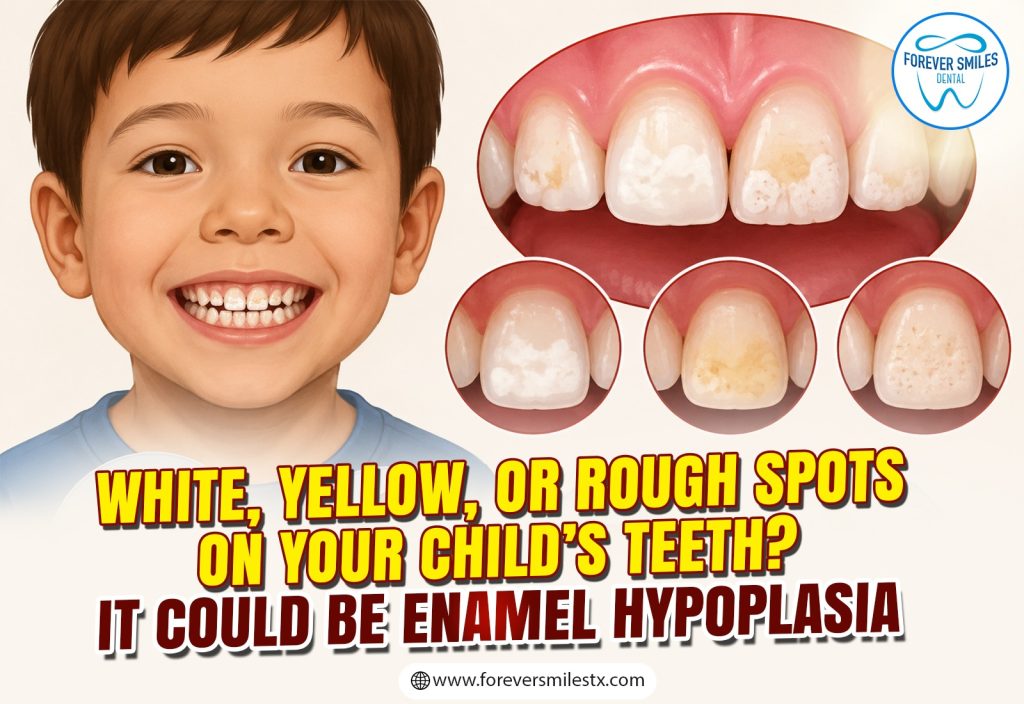
It often starts as a small detail, a faint white patch, a yellowish tint, or a slightly rough area on your child’s tooth. At first, it may seem like a stain or something that will go away with brushing. But when it doesn’t, the concern grows: Is this normal, or is something wrong?
Many parents assume discoloration is always related to hygiene. While that can sometimes be true, there are situations where the issue goes deeper, literally beneath the surface of the tooth. One such condition is enamel hypoplasia, a developmental issue that affects how the outer layer of the tooth forms. Unlike stains or surface buildup, enamel hypoplasia is not something that brushing can fix. It’s a structural difference in the enamel itself, which can make teeth look uneven in color, feel rough, or become more sensitive.
Understanding what these spots mean, and how they differ from common dental concerns can help you take the right steps early. In this guide, we’ll break down what enamel hypoplasia is, why it happens, how to recognize it, and what can be done to protect your child’s teeth.
What Is Enamel Hypoplasia in Children?
Enamel hypoplasia is a condition where the enamel, the hard, protective outer layer of the tooth doesn’t form properly. Instead of being smooth, thick, and evenly mineralized, the enamel may be thin, uneven, or even missing in certain areas.
To understand this better, it helps to know how teeth develop. Enamel begins forming before a tooth even appears in the mouth. This process depends on several factors, including nutrition, overall health, and proper mineralization. If something interferes during this stage, the enamel may not develop as it should.
As a result, the affected tooth may have:
- Areas that look discolored
- A rough or pitted surface
- Increased sensitivity
This condition can affect both baby teeth and permanent teeth, depending on when the disruption occurred during development.
Unlike cavities, which develop after the tooth erupts, enamel hypoplasia is present from the moment the tooth appears.
What Do the Spots Look Like? (Signs Parents Notice First)
The first signs of enamel hypoplasia are usually visual. Parents often notice something that looks “off” about their child’s teeth.
White Chalky Spots
These are often the earliest and most subtle signs. The enamel may appear dull or opaque instead of smooth and shiny. These spots may not cause discomfort but indicate areas where the enamel is weaker.
Yellow or Brown Patches
When enamel is thin, the layer beneath it, called dentin becomes more visible. Since dentin is naturally yellow, the tooth may appear discolored. In more pronounced cases, the spots may look darker or uneven in color.
Rough or Pitted Surfaces
Some areas of the tooth may feel uneven or slightly indented. These pits can trap food and bacteria, making them harder to clean.
Thin or Translucent Appearance
In certain cases, teeth may look more translucent than usual, especially at the edges. This is a sign that enamel is not as thick as it should be.
Spots That Don’t Go Away
One of the key signs of enamel hypoplasia is that these spots do not improve with brushing. Unlike stains, they remain unchanged over time.
Enamel Hypoplasia vs Cavities vs Stains: How to Tell the Difference
This is where many parents feel confused, because the appearance can overlap.
Stains
Stains are usually surface-level and often caused by food, drinks, or plaque. They tend to be smooth and may lighten or disappear with brushing or cleaning.
Cavities
Cavities develop after the tooth erupts. They often start as white spots but progress into brown or dark areas. Cavities may feel rough and can worsen over time.
Enamel Hypoplasia
Unlike stains or cavities, enamel hypoplasia is present from the start. The affected areas are part of the tooth structure and do not spread like decay.
The key differences lie in:
- Texture (smooth vs rough)
- Progression (stable vs worsening)
- Response to brushing (no change vs improvement)
If there’s uncertainty, a dental evaluation is the best way to confirm.
What Causes Enamel Hypoplasia in Kids?
Enamel hypoplasia does not have a single cause. It usually develops when something interferes with enamel formation during early childhood, often before the teeth even appear in the mouth. Because enamel forms in stages, any disruption during that process can leave lasting changes in the tooth’s structure. These changes may show up later as spots, thinning, or rough areas on the teeth.
Nutritional Deficiencies
Proper nutrition plays a critical role in tooth development. Minerals like calcium and phosphorus, along with vitamin D, are essential for building strong enamel. If a child does not receive adequate nutrition during key stages of development, the enamel may not mineralize properly. This can result in weaker or thinner enamel that is more prone to discoloration and wear. Even short periods of deficiency during early growth can have long-term effects on how teeth form.
Illness or Fever
High fevers or illnesses during infancy and early childhood can temporarily disrupt the body’s normal development processes, including enamel formation. When the body is focused on fighting infection, enamel production may be affected. As a result, teeth that were developing during that time may show visible changes once they erupt. This is why some children develop enamel defects linked to illnesses that occurred months or even years earlier.
Premature Birth or Low Birth Weight
Children who are born prematurely or with low birth weight often have a higher risk of enamel hypoplasia. This is because tooth development may be incomplete or interrupted at the time of birth. Additionally, premature infants may experience nutritional challenges or medical conditions that further affect enamel formation. As these children grow, their teeth may show signs of uneven or underdeveloped enamel.
Trauma to Baby Teeth
An injury to a baby tooth can sometimes affect the permanent tooth developing underneath it. The roots of baby teeth are closely positioned near the developing permanent teeth, so any trauma can disturb the formation process. This may lead to visible enamel defects when the permanent tooth erupts later. In many cases, parents may not immediately connect a past injury with changes that appear years later.
Genetic Factors
In some cases, enamel hypoplasia is influenced by genetics. Certain inherited conditions can affect how enamel forms, making some children more prone to weaker or irregular enamel. Even without a specific genetic condition, natural variations in enamel development can run in families. This means that some children may be more likely to develop enamel irregularities despite having good oral care habits.
Environmental Factors
External influences during early development can also play a role. Exposure to certain substances, including excessive fluoride during tooth formation, can affect enamel quality. While fluoride is beneficial in the right amounts, too much during early years can lead to changes in enamel appearance and structure. Other environmental factors, such as exposure to toxins or prolonged use of certain medications, may also influence how enamel develops.
Understanding these causes helps explain why enamel hypoplasia is not always preventable. In many cases, it is the result of factors beyond a parent’s control. However, recognizing these influences allows for early monitoring and timely care, which can make a significant difference in protecting a child’s teeth as they grow.
Why Enamel Hypoplasia Needs Attention
While it may seem like a cosmetic issue, enamel hypoplasia has functional implications.
Increased Risk of Cavities
Weakened enamel makes it easier for bacteria to penetrate and cause decay.
Tooth Sensitivity
Thin enamel exposes inner layers, leading to discomfort when eating hot, cold, or sweet foods.
Faster Wear and Damage
Teeth with weaker enamel are more prone to chipping, cracking, or wearing down over time.
Impact on Appearance
Visible spots or discoloration can affect a child’s confidence, especially as they grow older.
How Dentists Diagnose Enamel Hypoplasia
Diagnosis is usually straightforward but requires a trained eye.
Dentists examine:
- The color and texture of enamel
- The distribution of spots
- Whether the condition is stable or changing
They also differentiate it from early decay or fluorosis.
Monitoring over time helps confirm the diagnosis and guide treatment.
Treatment Options for Enamel Hypoplasia
Treatment for enamel hypoplasia is not one-size-fits-all. It depends on how much of the enamel is affected, whether the child is experiencing sensitivity, and how vulnerable the tooth is to decay. The goal is always to protect the tooth, reduce discomfort, and support normal function while keeping the approach as gentle as possible.
Mild Cases
In mild cases, where the enamel is slightly thin or shows small areas of discoloration without structural damage, treatment is usually preventive. Fluoride applications are commonly recommended to strengthen the existing enamel and make it more resistant to acid and decay. These treatments help remineralize weaker areas and reduce sensitivity.
Sealants may also be applied, especially on molars. These are thin protective coatings placed over the chewing surfaces of teeth to block out bacteria and food particles. Since enamel hypoplasia can create tiny grooves or weak spots, sealants act as a barrier and significantly lower the risk of cavities developing in those areas.
Moderate Cases
When enamel defects are more noticeable or begin to affect the tooth’s surface, dentists may recommend bonding. This involves applying a tooth-colored material to the affected area to cover rough or discolored spots.
Bonding serves two purposes. It improves the appearance of the tooth, making it look more even in color and texture, and it also provides an added layer of protection. By covering exposed or weakened enamel, bonding helps reduce sensitivity and prevents further wear or damage. This option is often chosen when the tooth structure is still strong but needs reinforcement and aesthetic improvement.
Severe Cases
In more advanced cases, where a significant portion of the enamel is missing or the tooth is highly sensitive or prone to damage, crowns may be recommended. A crown covers the entire tooth, acting like a protective cap. Crowns restore the tooth’s shape, strength, and function, allowing the child to chew comfortably without pain. They also prevent further breakdown of the tooth structure, which is especially important for teeth that are already weakened.
For children, crowns are designed to be durable and suitable for growing teeth, ensuring long-term protection until the tooth naturally transitions.
Overall Approach
Regardless of severity, the focus of treatment is always on preserving the tooth and preventing complications. Dentists aim to choose the least invasive option that still provides effective protection. Early diagnosis plays a key role here, as it allows for simpler treatments that are easier for the child to tolerate.
With the right care plan, even teeth affected by enamel hypoplasia can remain strong, functional, and comfortable for years to come
How Forever Smiles Dental Helps Identify and Manage Enamel Hypoplasia
When it comes to conditions like enamel hypoplasia, early understanding makes a meaningful difference. At Forever Smiles Dental, the focus is not just on identifying visible spots, but on understanding what those changes mean for a child’s long-term oral health.
Each evaluation goes beyond surface appearance. Dentists carefully assess enamel quality, texture, and pattern to determine whether the issue is developmental or related to other factors. This ensures that treatment is accurate and appropriate. Children with enamel sensitivity are treated with extra care. The environment is designed to be calm and supportive, helping them feel comfortable even when their teeth are more sensitive than usual.
Parents are guided through the process with clarity. Instead of simply addressing the symptom, they gain insight into how to manage and protect their child’s teeth moving forward. By combining early detection, thoughtful care, and a preventive approach, Forever Smiles Dental helps families manage enamel hypoplasia with confidence and ease.
Conclusion
White, yellow, or rough spots on your child’s teeth may seem minor at first, but they can be signs of something deeper. Enamel hypoplasia is not just a cosmetic concern, it’s a structural condition that requires attention and care. By understanding the causes, recognizing the signs, and taking early action, parents can protect their child’s teeth from future complications.
With the right approach, children with enamel hypoplasia can maintain healthy, strong, and confident smiles, supported by awareness, care, and consistent guidance.