How an Open Bite Can Affect Eating, Speech, and Confidence in Children
June 12, 2026
Dr. Bilkisu Idakoji
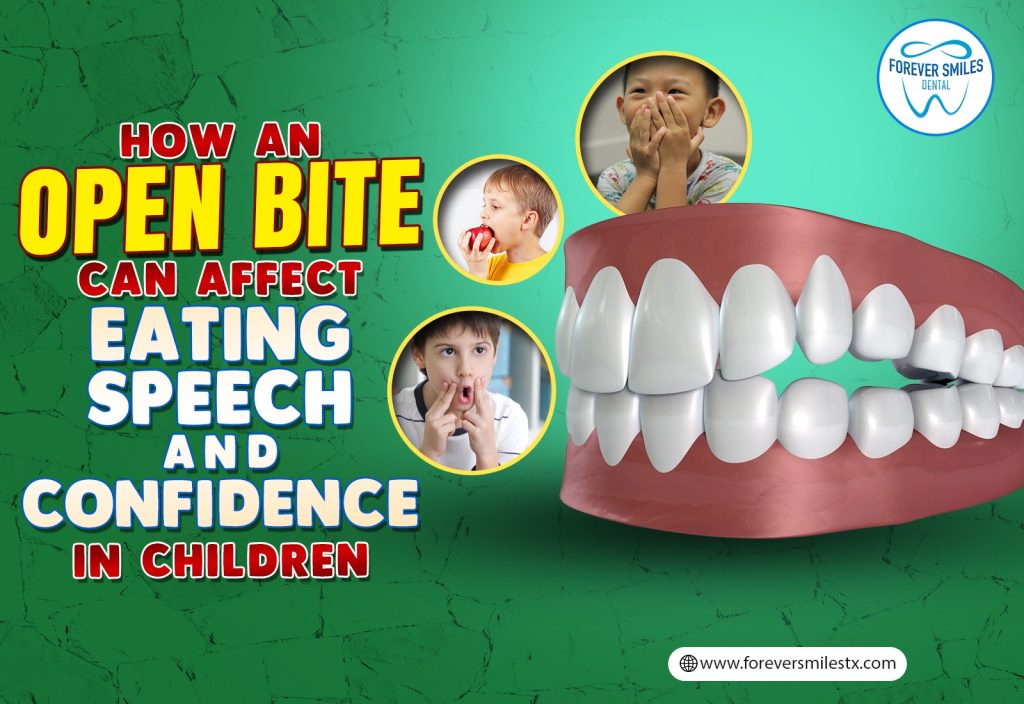
Many parents notice when their child has crooked teeth, but bite problems are often harder to recognize. One condition that frequently goes unnoticed is an open bite. At first glance, it may simply appear as a small gap between the upper and lower front teeth. Because there is often no immediate pain or obvious discomfort, parents may assume it is something their child will eventually outgrow. However, this gap can affect much more than a child’s smile.
An open bite can interfere with some of the most important everyday activities children perform, including eating, speaking, and interacting confidently with others. Children rely on their front teeth to bite into food properly and on the coordinated movement of their teeth, tongue, and lips to produce clear speech. When the teeth do not come together as they should, these normal functions can become more challenging. In many cases, children gradually adapt to the problem, making it less obvious to parents that something is wrong.
Beyond the functional concerns, an open bite can also influence a child’s self-confidence as they grow older. School-age children often become more aware of their appearance and how they speak, and visible bite differences may affect how comfortable they feel in social situations.
The good news is that early recognition can make a significant difference. Understanding what an open bite is, why it develops, and how it affects daily life can help parents take proactive steps to support their child’s oral health, development, and overall well-being. Early monitoring and guidance can often prevent minor concerns from becoming more complex issues later in childhood.
What Is an Open Bite?
A normal bite allows the upper and lower teeth to fit together in a balanced way. Typically, the upper front teeth overlap the lower front teeth slightly when the mouth is closed. This alignment helps the teeth work efficiently during everyday activities such as biting, chewing, speaking, and swallowing. An open bite occurs when this overlap does not happen. Instead, a visible gap remains between certain upper and lower teeth even when the child bites down completely. Depending on the severity, the gap may be small and barely noticeable or large enough to affect how the mouth functions.
The most common type in children is an anterior open bite, which affects the front teeth. While the back teeth may touch normally, the front teeth remain separated. As a result, the child may be unable to bring the front teeth together when biting into foods such as apples, sandwiches, or pizza.
Because the front teeth play an important role in biting, speaking, and guiding jaw movement, this gap can affect several aspects of daily function. Children may develop alternative chewing habits, place their tongue differently while speaking, or unconsciously adapt the way they use their teeth to compensate for the bite problem.
Open bites often develop gradually. Many children adapt so well that parents do not realize a problem exists until a dentist points it out or symptoms become more noticeable. In some cases, the bite change develops so slowly that it becomes the child’s “normal,” making it difficult for families to recognize that eating difficulties, speech differences, or other concerns may be connected to the way the teeth fit together.
Although an open bite is often first noticed because of its appearance, it is important to remember that it is primarily a functional issue. The way the teeth come together affects how the entire oral system works, which is why early evaluation and monitoring can be so valuable during childhood.
What Causes an Open Bite in Children?
Several factors can contribute to the development of an open bite. In many cases, more than one factor is involved.
Thumb Sucking
Thumb sucking is one of the most common causes of open bite development. While it is a normal self-soothing habit during infancy and early childhood, prolonged thumb sucking can place continuous pressure on developing teeth and jaws. Over time, this pressure may push the upper front teeth outward and prevent the upper and lower front teeth from meeting properly.
Pacifier Use
Extended pacifier use can have effects similar to thumb sucking. Children who continue using pacifiers beyond the preschool years may develop changes in tooth positioning and bite relationships. The risk increases when the habit is frequent and continues during periods of active dental development.
Tongue Thrusting
Some children develop a swallowing pattern known as tongue thrusting. Instead of resting naturally against the roof of the mouth, the tongue repeatedly pushes against the front teeth during swallowing and speaking. Because swallowing occurs thousands of times each day, this pressure can gradually contribute to open bite formation.
Mouth Breathing
Mouth breathing can influence the position of the tongue, lips, and jaw. Over time, altered oral posture may affect jaw growth and bite development. Children who consistently breathe through their mouths often experience changes in facial growth patterns that can contribute to orthodontic concerns, including open bites.
Growth and Genetic Factors
In some cases, an open bite is influenced by genetics and skeletal growth patterns. The way the upper and lower jaws develop can affect how the teeth come together. Children with a family history of orthodontic issues may be more likely to develop bite problems as they grow.
Signs Parents Should Watch For
Because children often adapt to bite problems, recognizing the signs of an open bite can be challenging.
One of the most obvious signs is a visible gap between the upper and lower front teeth when the child closes their mouth.
Other signs may include:
- Difficulty biting into foods such as apples, sandwiches, or pizza
- Speech differences or a noticeable lisp
- Tongue placement between the front teeth while speaking
- Mouth breathing during the day or while sleeping
- Protruding front teeth
- Changes in facial appearance over time
Parents may also notice that their child avoids certain foods or develops unusual chewing habits without realizing why.
How an Open Bite Affects Eating, Speech, and Confidence
Eating Challenges
The front teeth are designed to perform an important function: cutting and tearing food. When an open bite prevents these teeth from meeting properly, this function becomes much more difficult.
Children with open bites often struggle with foods that require front tooth contact, including:
- Apples
- Sandwiches
- Burgers
- Pizza
- Raw vegetables
- Whole fruits
Instead of using their front teeth normally, they may tear food apart with their hands or use their side teeth to compensate.
While these adaptations seem minor, they can make eating less efficient and sometimes frustrating. Some children begin avoiding foods that are difficult to bite into, which can affect their eating habits over time.
Speech Development Concerns
Teeth play a surprisingly important role in speech production. Certain sounds require precise coordination between the tongue, lips, and teeth.
When an open bite is present, this coordination may be disrupted.
Children with open bites commonly experience difficulty with sounds such as:
- S
- Z
- T
- D
- Ch
- Sh
The tongue may push into the gap between the teeth during speech, creating a lisp or other articulation differences. Some speech changes are subtle, while others become more noticeable as children enter school and communicate more frequently with peers and teachers.
Not every child with an open bite develops speech problems. However, the risk increases when tongue posture and bite alignment are significantly affected.
Social and Emotional Impact
The effects of an open bite often extend beyond physical function. As children grow older, they become increasingly aware of their appearance and how they compare to their peers. A visible gap between the front teeth may cause some children to feel self-conscious about smiling, speaking, or having their picture taken. School-age children can be particularly sensitive to comments about their appearance. Even harmless questions from classmates may make a child feel different or embarrassed.
Children with noticeable speech differences may also become reluctant to participate in classroom discussions or social activities.
The impact varies from child to child. Some children remain completely confident despite orthodontic differences, while others become increasingly self-conscious as they grow.
Why Children Often Adapt Without Realizing It
One reason open bites sometimes go unnoticed is that children adapt remarkably well.
They may:
- Develop alternative chewing patterns
- Adjust their speech habits
- Learn to avoid difficult foods
- Compensate for bite limitations automatically
Because these adaptations become normal for them, children rarely complain directly about the problem. This is why regular dental evaluations are so important. Dentists can identify bite concerns that may not be obvious during everyday life.
Can an Open Bite Get Worse If Left Untreated?
Open bites often become more noticeable over time if the underlying cause remains present. For example, continued thumb sucking or tongue thrusting can increase the size of the gap between the teeth. As permanent teeth erupt, the bite may become more difficult to correct naturally.
Potential long-term effects include:
- Worsening bite alignment
- Increased orthodontic complexity
- Speech difficulties
- Uneven tooth wear
- Reduced chewing efficiency
- Jaw muscle strain
The longer these issues remain unaddressed, the greater the likelihood that more extensive treatment may eventually be needed.
How Dentists Diagnose and Treat an Open Bite
Dentists evaluate much more than just tooth appearance when assessing an open bite.
During an examination, they assess:
- Bite relationships
- Jaw growth patterns
- Tooth alignment
- Tongue posture
- Oral habits
- Airway considerations
Treatment depends on the child’s age, growth stage, and underlying cause.
Common approaches may include:
Habit Correction
Addressing thumb sucking, pacifier use, or tongue thrusting habits is often the first step.
Monitoring Growth
Some mild cases can be observed while the child continues growing.
Orthodontic Treatment
Braces or orthodontic appliances may be recommended to improve tooth positioning and bite function.
Airway and Functional Evaluation
Children with mouth breathing or airway concerns may benefit from additional evaluation to address contributing factors.
The earlier these issues are identified, the more treatment options may be available.
How Forever Smiles Dental Helps Children With Open Bite Development
At Forever Smiles Dental, bite development is monitored as part of a child’s overall oral health and growth. An open bite may seem like a cosmetic concern at first, but it can influence eating, speech, and long-term dental function if left unaddressed.
During routine examinations, the dental team carefully evaluates how the teeth fit together, how the jaws are developing, and whether habits such as thumb sucking, tongue thrusting, or mouth breathing may be affecting growth. This proactive approach helps identify concerns early, often before they become more complex.
Families receive guidance on:
- Monitoring bite changes over time
- Understanding growth-related developments
- Addressing oral habits that contribute to open bite formation
- Knowing when orthodontic evaluation may be beneficial
- Supporting healthy oral function during childhood
By focusing on prevention, education, and early detection, Forever Smiles Dental helps children develop healthier bites and more confident smiles as they grow.
Conclusion
An open bite is much more than a gap between the front teeth. It can affect how a child eats, speaks, and feels about their appearance. Because the condition often develops gradually, many children learn to compensate for the challenges without realizing that a bite problem exists. The encouraging news is that early recognition can make a significant difference. Understanding the signs, identifying contributing factors, and seeking professional guidance when concerns arise can help prevent more serious complications in the future.
With proper monitoring and timely intervention, children with open bites can develop healthier oral function, clearer speech, improved confidence, and smiles that support them throughout childhood and beyond.