Early Signs of Gingivitis, Causes, and Treatment Options
November 13, 2026
Dr. Bilkisu Idakoji
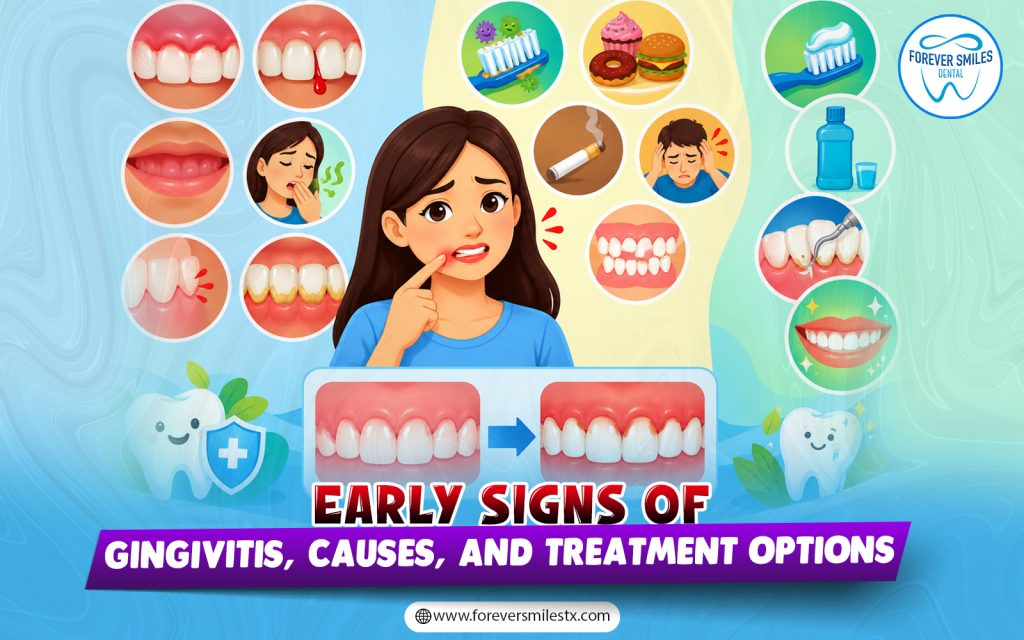
A healthy smile starts with healthy gums. Many people pay attention to cavities, tooth pain, or crooked teeth but may overlook their gums. However, your gums play an important role in keeping your teeth strong and healthy. One of the earliest gum problems is gingivitis.
Gingivitis is a mild form of gum disease that causes the gums to become red, swollen, and irritated. It often develops when plaque builds up around the teeth and along the gumline. The good news is that gingivitis can usually be treated and reversed when it is noticed early.
The problem is that gingivitis may not cause serious pain at first. You may notice a little blood when brushing or think that bad breath is simply normal. These small changes can be early warnings that your gums need attention.
Understanding the early signs of gingivitis, its causes, treatment options, and prevention tips can help protect your smile for years to come.
What Is Gingivitis?
Gingivitis is inflammation of the gums. It usually begins when plaque, a sticky layer of bacteria, remains on the teeth for too long. If plaque is not removed through regular brushing and flossing, it can irritate the gums.
Healthy gums usually look firm and pink and fit closely around the teeth. Gums affected by gingivitis may look red, puffy, or swollen. They may also bleed easily when you brush or floss.
Gingivitis is considered an early stage of gum disease. It is important not to ignore it because untreated gum inflammation can become more serious over time. Advanced gum disease can affect the tissues and bone that support the teeth.
Unlike advanced periodontal disease, early gingivitis is generally reversible with proper dental care. This makes early recognition especially important.
Who Can Develop Gingivitis?
Gingivitis can affect children, teenagers, adults, and older people. It is not limited to one age group.
People who have difficulty maintaining good oral hygiene may have a higher risk. Other factors can also increase the chance of developing gum inflammation. These may include smoking or tobacco use, dry mouth, certain medications, hormonal changes, stress, diabetes, family history, and some other health conditions.
Children can also develop gum inflammation when plaque remains around their teeth for a long time. This is why regular dental visits and good daily oral care are important from an early age.
Parents looking for professional guidance can consider Kids Dentistry at Houston to help children build healthy brushing and flossing habits and maintain healthy gums.
Early Signs of Gingivitis You Should Not Ignore
Gingivitis can be easy to miss because the early symptoms may seem small. Knowing what to look for can help you seek dental care before the condition becomes more serious.
1. Gums That Bleed When You Brush
Bleeding while brushing or flossing is one of the most common warning signs of gum inflammation.
Some people believe that bleeding is normal if they brush hard or floss after a long break. However, healthy gums generally should not bleed regularly during normal brushing or flossing.
If you notice blood around your gums repeatedly, it is worth discussing it with a dentist.
2. Red or Darker Gums
Healthy gums are usually firm and pink, although their natural color can vary from person to person.
Gingivitis can make the gums appear red, darker, or more irritated than usual. You may notice the color change around the base of your teeth.
Checking your gums from time to time can help you notice changes early.
3. Swollen or Puffy Gums
Inflamed gums may look swollen or puffy. Instead of fitting closely around your teeth, they may appear fuller around the gumline.
Swelling can be easy to overlook, especially when it develops slowly. If your gums look different from how they normally do, pay attention to the change.
4. Tender or Sensitive Gums
Gingivitis can make your gums feel sore or tender. You may notice discomfort while brushing, flossing, or eating certain foods.
The discomfort may not be severe, which is one reason people sometimes delay visiting a dentist.
5. Persistent Bad Breath
Bad breath that continues even after brushing may sometimes be linked to bacteria around the teeth and gums.
Plaque contains bacteria that can contribute to unpleasant mouth odor. If bad breath keeps returning despite regular brushing, flossing, and cleaning your tongue, your gums may need to be checked.
6. Gums That Pull Away From Teeth
In some cases, gum problems can make the gums appear to pull away from the teeth. Teeth may also look longer than they did before.
This can have several causes, so it is important to have a dentist examine the gums rather than assuming the reason yourself.
7. Plaque Around the Gumline
A sticky layer around your teeth, especially close to the gums, is another warning sign.
When plaque stays in place, the bacteria can irritate the gum tissue. Regular brushing and cleaning between the teeth can help control plaque buildup.
What Causes Gingivitis?
The main cause of gingivitis is plaque buildup, but several factors can make gum inflammation more likely.
1. Plaque and Tartar
Plaque is a sticky film containing bacteria that forms naturally on teeth. When brushing and flossing do not remove enough plaque, it can remain along the gumline.
Over time, plaque can harden into tartar, also called calculus. Tartar cannot usually be removed effectively with a toothbrush at home and may require professional dental cleaning.
This is why regular Dental cleaning at Houston can be an important part of maintaining healthy teeth and gums.
2. Poor Oral Hygiene
Not brushing twice a day or not cleaning between the teeth can allow plaque to accumulate.
Even if your teeth look clean, bacteria can remain between teeth and around the gumline. A consistent oral hygiene routine helps reduce this buildup.
3. Hormonal Changes
Hormonal changes can make gums more sensitive in some people. This may occur during pregnancy, puberty, menstruation, or other periods of hormonal change.
The gums may become more swollen, tender, or likely to bleed. Maintaining good oral hygiene during these periods can help reduce problems.
4. Smoking and Tobacco
Smoking and tobacco use can increase the risk of gum problems. Tobacco can affect the mouth’s tissues and make it harder for gums to stay healthy.
Avoiding tobacco is an important step toward better oral and overall health.
5. Dry Mouth
Saliva helps keep the mouth moist and plays a role in controlling bacteria. When the mouth does not produce enough saliva, plaque may build up more easily.
Dry mouth can have different causes, including certain medications and health conditions. If you regularly experience dry mouth, talk to your dentist or healthcare professional.
6. Certain Medications
Some medications can affect the mouth or contribute to dry mouth. This may increase the risk of gum irritation in some people.
Do not stop or change prescribed medication without speaking with your doctor. Instead, tell both your dentist and doctor about any oral changes you notice.
7. Diabetes and Other Health Conditions
Certain health conditions can affect gum health. Diabetes, for example, can make it more difficult for the body to manage infections and inflammation.
People with health conditions that affect oral health may need to pay extra attention to regular dental visits and daily oral care.
8. Stress
Long periods of stress can affect general health and may make it harder to maintain good oral hygiene habits.
When people are stressed, they may skip brushing, eat differently, smoke, or grind their teeth. These habits can contribute to oral problems.
9. Family History
Your family history may also play a role in your risk of gum disease. If close family members have experienced serious gum problems, tell your dentist.
Having a family history does not mean you will definitely develop gum disease. It simply makes good prevention and regular dental care especially important.
How Is Gingivitis Treated?
The right treatment depends on the condition of your gums and the amount of plaque or tartar present. A dentist will examine your mouth and recommend appropriate care.
1. Professional Dental Cleaning
A professional cleaning removes plaque and tartar that cannot be completely removed through regular brushing.
Your dentist or dental hygienist can clean around the teeth and gumline and provide advice about better home care.
For many people with early gingivitis, improving daily oral hygiene along with professional cleaning can make a significant difference.
2. Scaling and Root Planing
If there is more significant buildup around or below the gumline, a dentist may recommend a deeper cleaning called scaling and root planing.
Scaling removes tartar from the teeth, while root planing smooths the root surfaces so that bacteria and plaque are less likely to remain attached.
This treatment is generally considered when gum disease requires more than a routine cleaning.
3. Better Brushing and Flossing
Professional treatment is only one part of controlling gingivitis. Your daily habits matter too.
Brush your teeth regularly using a soft-bristled toothbrush and fluoride toothpaste. Clean between your teeth with floss or another dentist-recommended method.
Do not stop cleaning an area simply because it bleeds. However, if bleeding continues regularly, speak with your dentist.
4. Antimicrobial Mouthwash
A dentist may recommend a suitable antimicrobial mouthwash in some situations. It can help reduce certain bacteria in the mouth.
Mouthwash should not replace brushing and cleaning between the teeth. Use it according to your dentist’s instructions.
5. Repairing Dental Problems
Sometimes rough or damaged dental work can make cleaning around the teeth more difficult. Depending on the situation, a dentist may recommend repairing or replacing a filling, crown, bridge, or another restoration.
Creating smoother surfaces can make daily cleaning easier and help reduce places where plaque collects.
Can Children Get Gingivitis?
Yes. Children can develop gingivitis when plaque remains around their teeth and gums.
Parents may notice red or swollen gums, bleeding during brushing, bad breath, or changes in how their child brushes. Children may also avoid brushing an uncomfortable area.
Good habits should start early. Parents can help younger children brush properly and encourage them to clean their teeth regularly.
This is an important part of Preventive Dentistry for Kids, which focuses on preventing dental problems instead of waiting until children develop pain or serious oral health concerns.
Regular dental visits also give dentists an opportunity to identify early gum problems and teach children simple ways to care for their teeth.
How Can You Prevent Gingivitis?
The easiest way to manage gingivitis is to prevent plaque from building up in the first place.
1. Brush Regularly
Brush your teeth twice a day using fluoride toothpaste. Spend enough time cleaning all tooth surfaces, especially near the gumline.
Use a soft toothbrush and avoid brushing too aggressively.
2. Clean Between Your Teeth
A toothbrush cannot clean every area between your teeth. Floss or use another dentist-recommended interdental cleaner to remove plaque from these spaces.
3. Visit Your Dentist Regularly
Regular dental checkups can help identify gum inflammation before it becomes a bigger problem.
Professional cleanings can also remove tartar that cannot be removed with normal brushing at home.
4. Avoid Tobacco
Avoid smoking and other tobacco products. This can support better gum health and reduce several oral health risks.
5. Drink Enough Water
Water can help keep your mouth comfortable and supports normal saliva flow. Choosing water instead of sugary or acidic drinks can also support better dental health.
6. Eat a Balanced Diet
A balanced diet provides nutrients that support your overall health. Try to include a variety of vegetables, fruits, whole grains, and other nutritious foods.
7. Do Not Ignore Bleeding Gums
One of the most important prevention tips is simple: do not ignore changes in your gums.
If your gums bleed regularly, remain swollen, or continue to feel sore, schedule a dental examination. Finding the problem early can make treatment easier.
When Should You See a Dentist?
You should consider seeing a dentist if you notice repeated gum bleeding, swelling, redness, tenderness, persistent bad breath, or gums that appear to be pulling away from your teeth.
You should also schedule an appointment if your symptoms do not improve after you improve your brushing and flossing routine.
A dental professional can determine whether you have gingivitis or another dental problem. Early treatment can help prevent gum inflammation from progressing into more serious periodontal disease.
Remember that gum disease does not always cause severe pain. Waiting for pain before seeing a dentist may allow the problem to become more difficult to treat.
Final Thoughts
Gingivitis may start with something as small as a little blood on your toothbrush, but it should not be ignored. Red, swollen, tender, or bleeding gums can be early signs that plaque and bacteria are affecting your gum health.
The good news is that early gingivitis is usually manageable with professional care, proper brushing and flossing, regular dental visits, and healthy daily habits. Children also benefit from learning these habits early through Preventive Dentistry for Kids.
Whether you need help with your child’s oral health or want to learn more about maintaining healthy gums, Forever Smiles can help you understand the right dental care for your family. Paying attention to early warning signs today can help protect healthy smiles for tomorrow.